Article
The High-Functioning Home: Creating a Sanctuary for Focus and Rest
When your home is also your office, the physical separation of "work" and "life" is essential; here is how to find a space that supports both your ambition and your peace. Establishing a designated professional zone not only boosts your daily productivity but also allows you to mentally "leave the office" at the end of the day. By prioritizing intentional layout and clever boundaries, you can create a sanctuary where career success and personal relaxation coexist without compromise.

.01
The Architecture of Deep Work
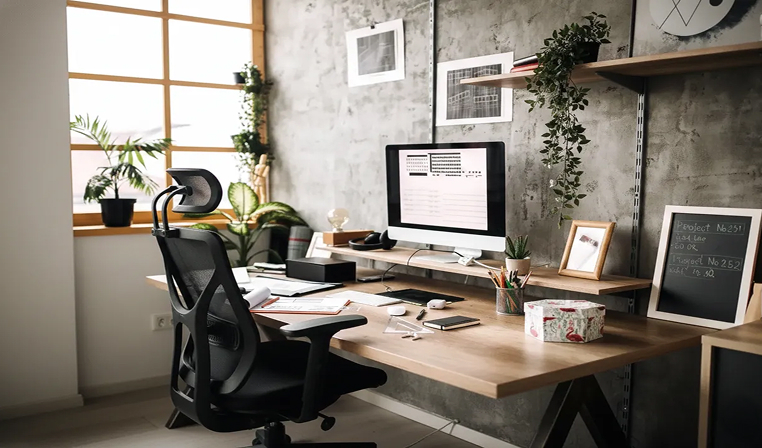
To facilitate true focus, a home must provide a designated "cognitive zone" that is physically or visually sequestered from domestic distractions. This isn’t merely about having a desk; it is about environmental cues that signal the brain to enter a flow state. High-functioning spaces utilize ergonomic precision and acoustic dampening to ensure that when you are in the "zone," the friction of the outside world disappears.
.02
Circadian Lighting and Biological Alignment
The modern home often disrupts our internal clocks with static, harsh artificial light. A high-functioning sanctuary utilizes "biological lighting"—bright, cool-toned light during the morning to suppress melatonin and boost alertness, shifting to warm, amber hues in the evening. This alignment ensures that the home environment supports your peak energy levels during the day and prepares your nervous system for sleep as the sun sets.
.03
Sensory Minimalism and Cognitive Load
Visual clutter is a form of "silent noise" that constantly competes for your brain’s attention. By adopting a philosophy of sensory minimalism, you reduce the background processing power your brain spends on scanning its surroundings. Integrated storage, clean lines, and a curated color palette serve to lower cortisol levels, creating a neutral canvas that allows your thoughts—rather than your chores—to take center stage.
.04
Biophilic Integration for Mental Restoration
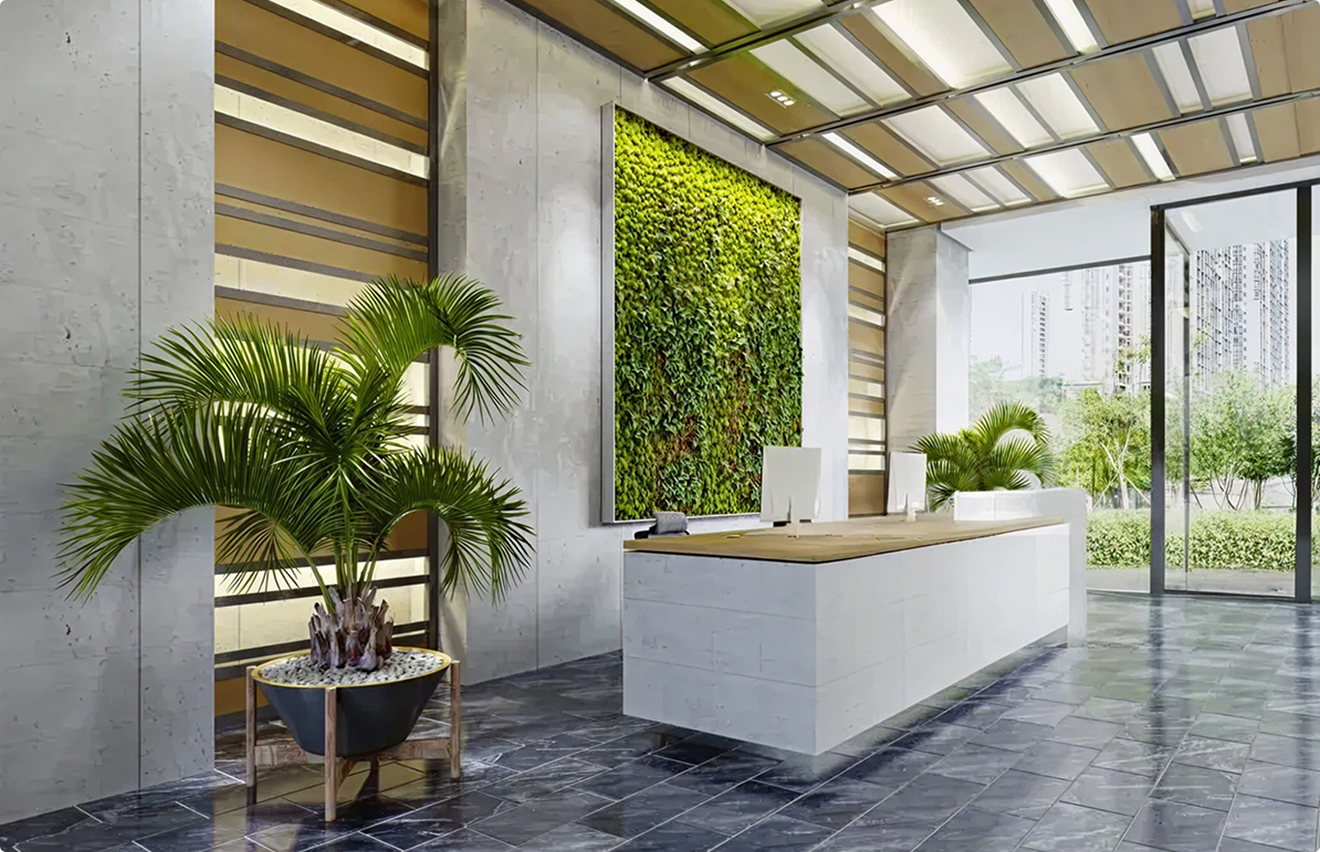
Human beings are biologically wired to respond to nature, yet we often live in "sterile boxes." Integrating biophilic elements—such as indoor greenery, natural textures like wood and stone, and maximized airflow—acts as a passive recovery system. Studies show that even brief views of nature can lower heart rates and restore "directed attention," making the home a place that actively recharges your mental battery.
.05
The Sacred Geometry of the Bedroom
In a high-functioning home, the bedroom is treated as a laboratory for recovery. This space should be strictly mono-functional: dedicated solely to rest. By removing electronics, maintaining a cool ambient temperature, and utilizing high-quality blackout materials, you create a sensory vacuum. This ensures that the transition from a high-output day to a restorative night is seamless and absolute.
.06
Zone-Based Soundscapes
A truly optimized home manages its "auditory architecture." This involves separating active zones (kitchens, workout areas) from quiet zones (offices, reading nooks) through the use of soft furnishings, white noise machines, or strategic layout. Mastering the soundscape allows multiple members of a household to pursue divergent goals—focus and rest—simultaneously without energetic interference.
Final Thought:
We often view our homes as static backdrops to our lives, but they are, in reality, the most influential "software" we interact with daily. When we shift our perspective from "decorating" to "optimizing," the home ceases to be a place of passive residence and becomes an active partner in our success. A high-functioning home doesn't just house your life; it amplifies your ability to live it with intention.



Neighbourhoods