Article
The Strategic Seller: Where to Begin Before You List
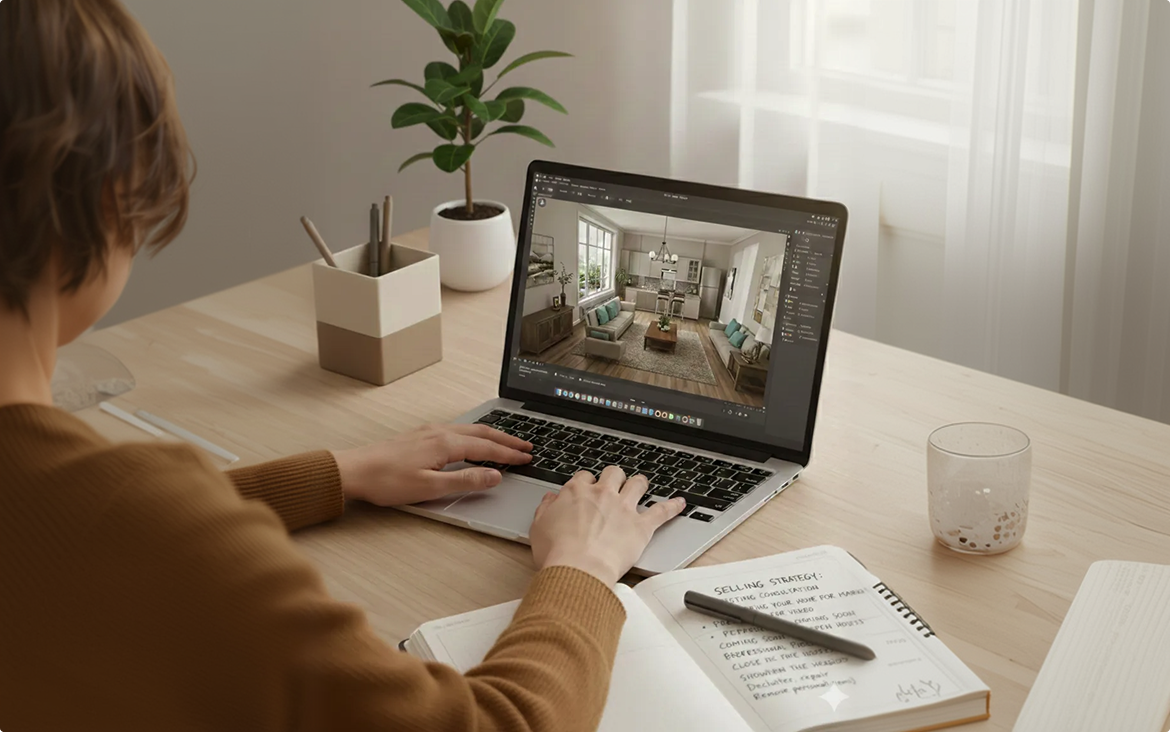
Selling your home doesn’t begin with listing photos or open houses—it starts much earlier, with thoughtful planning and positioning. The most successful sales are rarely accidental; they are the result of deliberate decisions made well before a property is introduced to the market. If your goal is to maximize value and maintain control throughout the process, here are the key areas to focus on from day one.

.01
Timing the Market Thoughtfully
While it’s impossible to predict the market perfectly, understanding broader trends can give you a meaningful advantage. Seasonality, interest rates, and local inventory levels all influence buyer behaviour.
For example, low inventory often creates urgency among buyers, while a saturated market may require more competitive pricing and presentation. A strategic seller doesn’t just ask “When do I want to sell?”—they ask “When will my home be most desirable?”
.02
Understanding Buyer Psychology
Today’s buyers are informed, selective, and often emotional in their decision-making. They are not just purchasing a property—they are envisioning a lifestyle.
This means your home must immediately resonate. Buyers tend to make decisions within moments of seeing a property, often based on how it feels rather than purely on logic. Clean, bright, and well-maintained spaces signal confidence and value, while clutter or visible wear can raise doubts—even if the home is structurally sound.
Positioning your home through the lens of the buyer is one of the most powerful strategies you can use.
.03
Pricing as a Strategic Tool
Pricing is not simply about determining value—it’s about creating momentum.
An accurately priced home attracts attention, encourages competition, and can lead to stronger offers. Overpricing, on the other hand, often results in extended time on market and price reductions, which can weaken your negotiating position.
A well-researched pricing strategy considers comparable sales, current demand, and how your home fits within the broader market landscape.
.04
Preparing the Property for Maximum Appeal
Before any photography or marketing begins, your home should be presented at its absolute best.
This doesn’t necessarily mean major renovations. Often, small, intentional improvements—fresh paint, minor repairs, decluttering, and thoughtful staging—can dramatically enhance how a home is perceived.
The goal is simple: create a space that feels move-in ready and allows buyers to imagine themselves living there effortlessly.
.05
Creating a Strong First Impression
First impressions happen quickly—and they matter.
From curb appeal to the initial online listing, your home should feel cohesive and inviting from the very first interaction. High-quality photography, well-composed descriptions, and a clear narrative about the home all contribute to how it is perceived.
A strong launch can generate immediate interest and set the tone for the entire selling process.
.06
Working with the Right Strategy and Support
Behind every successful sale is a clear plan—and the right guidance.
From understanding market data to navigating negotiations, having a structured approach ensures that every step is intentional. It also reduces stress and helps you make confident decisions along the way.
Selling a home is both a financial and emotional process. The right strategy keeps both in balance.
Final Thought
Selling your home is not a single event—it’s a sequence of strategic decisions that begin well before your property goes live.
By taking the time to understand the market, prepare your home, and position it thoughtfully, you create the conditions for a stronger outcome. The goal is not just to sell—but to sell with confidence, clarity, and maximum leverage.



Neighbourhoods